
Exploring the social dynamics of gambling communities
Understanding the Community Structure
The world of gambling has evolved significantly, transforming from isolated betting practices to vibrant communities both online and offline. This evolution has fostered diverse social structures, enabling players to forge connections based on shared interests and experiences. Within these communities, hierarchies often emerge, shaped by knowledge, skill level, and shared values. For instance, seasoned gamblers often assume mentorship roles, guiding newcomers through the intricacies of the gambling landscape. In this context, embracing options like no verification casinos can further enhance the player experience by allowing for greater privacy and ease of access.

Online platforms have played a pivotal role in shaping the social dynamics of gambling communities. Through forums, chat rooms, and social media, players can engage in discussions, share strategies, and celebrate victories together. These interactions foster a sense of belonging, as individuals find camaraderie with others who understand the thrill and risks of gambling. Furthermore, these platforms often facilitate the exchange of tips and resources, enabling players to enhance their skills and ultimately their experiences.
Offline gambling communities, such as those found in casinos or local betting shops, provide a different yet equally enriching experience. These environments offer face-to-face interactions, where players can share stories, celebrate wins, and console each other in losses. The atmosphere of camaraderie is palpable, creating bonds that often extend beyond the gambling table. Additionally, events and tournaments foster community spirit, bringing together individuals from diverse backgrounds united by a common passion.
The Role of Social Media in Gambling Communities
Social media has revolutionized the way gambling communities interact, creating an instant connection between players across the globe. Platforms like Twitter, Facebook, and Instagram serve as vital hubs for sharing experiences, offering advice, and promoting events. Gamblers can follow influencers and professional players, gaining insights into strategies and industry trends. The immediacy of social media allows for real-time discussions and quick dissemination of information, making it an invaluable resource for community members.
Additionally, the rise of streaming platforms like Twitch has introduced a new dimension to the gambling community. Players can watch live streams of others gambling, engaging with the content through chat features. This not only provides entertainment but also cultivates a culture of learning, as viewers can observe different tactics and styles of play. The interactive nature of these platforms allows for deeper engagement, strengthening community ties as players discuss strategies and share opinions.
The influence of social media extends to the gambling industry as well, with casinos and betting companies leveraging these platforms to reach potential customers. Engaging content, promotions, and community-driven initiatives help to foster a sense of loyalty among players. By incorporating user-generated content and actively participating in discussions, brands can enhance their relationship with the community, ultimately creating a more immersive gambling experience for all involved.
The Psychological Aspects of Gambling Communities
The social dynamics within gambling communities are deeply intertwined with psychological factors. The thrill of gambling often fosters emotional highs and lows, and sharing these experiences within a community can enhance the overall experience. Players who engage in discussions about their wins and losses find emotional support, which can alleviate the pressures associated with gambling. This support network becomes essential, especially when individuals face the challenges of addiction or other issues related to gambling.
Moreover, the concept of social proof plays a significant role in these communities. When individuals witness the success of others, it often reinforces their own beliefs about the feasibility of winning. This can lead to a cycle of behaviors where players increase their stakes or attempt riskier bets in pursuit of similar successes. The community collectively shapes these behaviors through shared narratives, which can impact both personal choices and broader gambling trends.
The interplay between competition and collaboration is another intriguing psychological dynamic. While players may compete for wins, they also celebrate each other’s successes, creating a unique environment where rivalry and support coexist. This duality enriches the community experience, allowing for personal growth and the formation of long-lasting friendships. Such dynamics highlight the complex psychological landscape of gambling, where individuals navigate their emotions in a shared space.
The Impact of Gambling Regulations on Community Dynamics
Regulations surrounding gambling can significantly influence the dynamics within these communities. Changes in laws, such as the introduction of online gambling or restrictions on betting practices, can alter the way players interact. For example, the legalization of online casinos has opened up new avenues for connection, enabling individuals from diverse geographical areas to engage in discussions and share experiences without the constraints of physical proximity.
Conversely, restrictive regulations can lead to frustration and dissatisfaction within communities. Players may seek alternative methods to access gambling experiences, which can sometimes lead to clandestine or less safe practices. The social fabric of these communities may shift as individuals navigate changing regulations, leading to new forms of solidarity or resistance. Such dynamics often spark conversations about fairness, safety, and the future of gambling.
Ultimately, the regulatory landscape shapes the behaviors, values, and connections within gambling communities. As these laws evolve, they create a context in which members must adapt, prompting new forms of interaction and cooperation. Engaging in advocacy or dialogue around regulations becomes a shared goal for many players, further binding the community as they work collectively to shape a sustainable gambling environment.
The Future of Gambling Communities
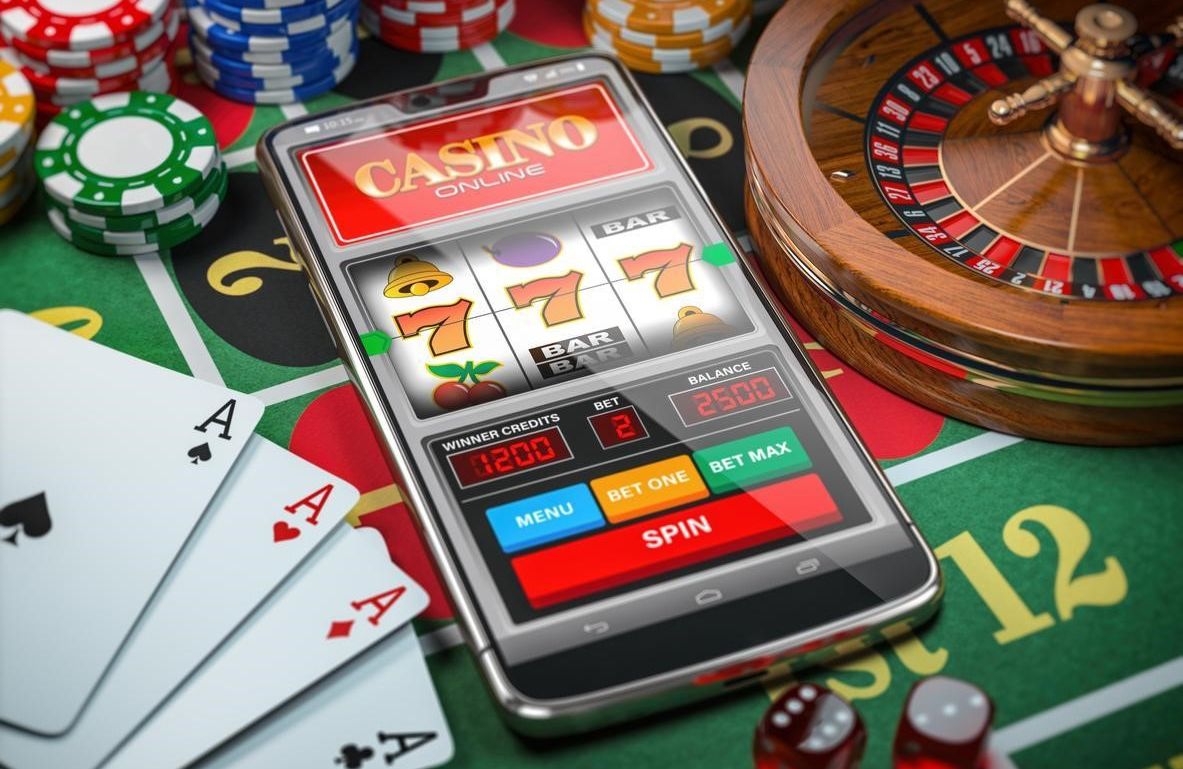
The future of gambling communities is likely to be shaped by technological advancements and changing social norms. Innovations in virtual reality and augmented reality have the potential to transform the gambling experience, enabling players to immerse themselves in virtual environments where they can interact with others in real time. This evolution could create even more tightly-knit communities, as individuals share experiences in rich, engaging settings.
Additionally, the increasing emphasis on responsible gambling will influence community dynamics. Initiatives aimed at promoting awareness and support for individuals struggling with gambling addiction will likely lead to more open discussions within communities. This cultural shift could foster a greater understanding of the risks associated with gambling, creating a more supportive environment for all members.
As gambling continues to grow in popularity, the importance of community will remain paramount. Players will seek spaces where they can share their experiences, learn from one another, and develop meaningful connections. The resilience and adaptability of these communities will be essential in navigating the ever-evolving landscape of gambling, ensuring that they remain vibrant, supportive, and engaging for all involved.